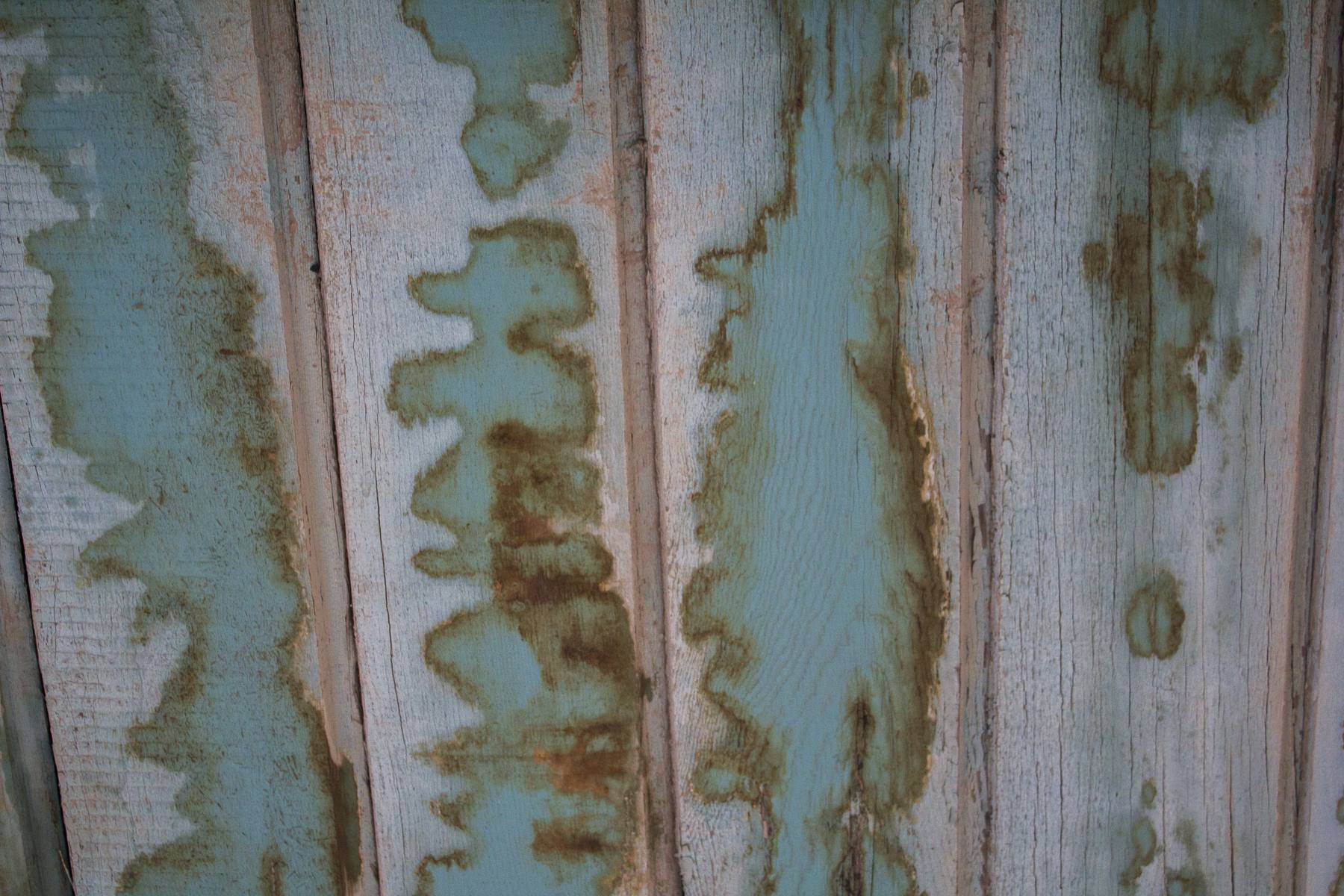
Before you paint / Primers & sealers
Why do stains keep coming back through the paint?
Water stains, smoke and the tannin in woods like cedar can bleed through paint. More coats of paint won’t stop them. A stain-blocking primer is made to.
Painter Surplus · Featuring Home In Progress
Stained ceiling by Quinn Daedal / Flickr · CC BY-SA 2.0 · Cropped.
From the podcast
What does a stain-blocking primer fix?
Find out what’s coming through.
Water stains, smoke damage and the tannin in woods like cedar, redwood and oak can bleed through fresh paint.
Tannin dissolves in water. When the wood gets wet, the water carries it out and leaves it behind as a reddish-brown stain. Knots are different: they hold oils and resins that can discolor light-colored paint.
A water stain starts with a leak. Find and fix the leak, then let the area dry. Stain-blocking primers go on clean, dry surfaces.
On knots in painted trim, the episode says:
“Think about knots in your trim that you paint over and you see that knot bleed back through the finished paint.”
Home In Progress, episode 345 · 03:52
Another coat of paint won’t stop it.
According to the U.S. Forest Products Laboratory, if tannin bleeds through one coat of a paint, more coats of the same paint won’t stop it. Without a stain-blocking layer, it can keep coming through as many coats as you apply.
A primer isn’t automatically a stain blocker either. Check that its data sheet names the stain you have. Benjamin Moore’s Natura primer, for one, sends cedar and redwood to a different primer.
Episode 169, on painting oak cabinets, warns about covering the bleed with more water-based paint:
“They likely will bleed through each layer.”
Home In Progress, episode 169 · 37:41
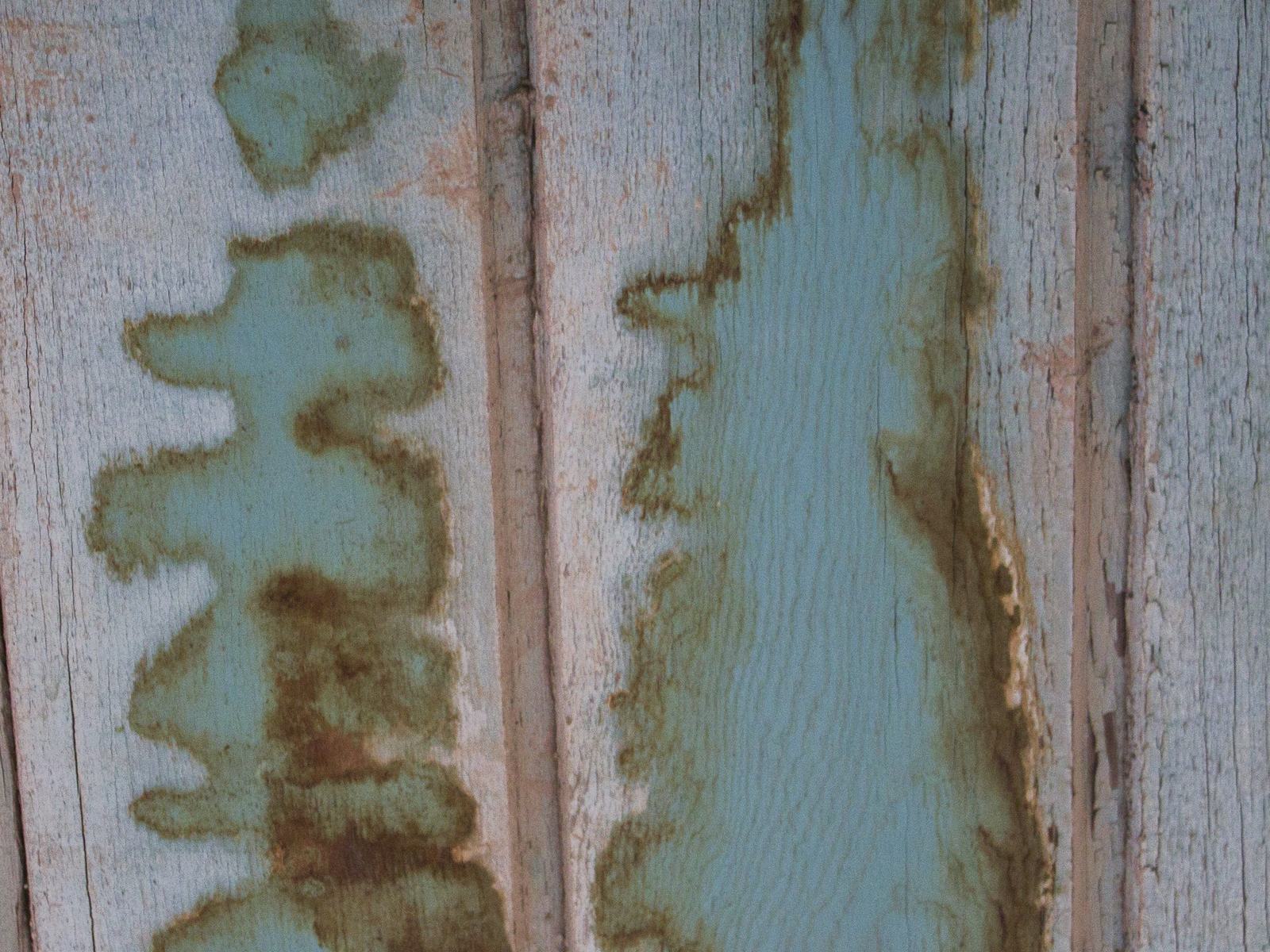
- 1Brown edges. Where the water dried, it left the brown behind.
- 2Water stain. Paint over it and the brown can come back through.
- 3Dry paint. Clean where the water never reached.
Seal it in, then check before you paint.
Pick a primer whose data sheet names your stain. Current shellac, oil-based and water-based stain blockers all list water stains and tannin, and the details differ. Zinsser’s shellac-based B-I-N also seals knots and sap streaks, but outdoors it is for spot priming only. Benjamin Moore’s water-based Fresh Start 046 is not meant for knots or pine sap.
The episodes favor solvent-based blockers. The Forest Products Laboratory says oil primers have historically blocked wood stains better, though water-based primers keep improving.
Severe stains can take two coats of primer. Let the primer dry fully before the topcoat, then look the area over in good light. If brown shows through, prime that spot again first.
“What you’re looking for are brown stains that could be bleeding through in small areas.”
Home In Progress, episode 169 · 37:16
Bring this to the paint counter.
Find your next project in the shop.
Surplus changes. The right questions still help you shop.
Inspired by Home In Progress, episode 345, February 10, 2024. The stain-blocking discussion runs from 03:22 to 06:43. Two quotes come from episode 169, July 11, 2020, from 37:04. Check current instructions for the primer you select.
Also drawn on: USDA Wood Handbook, chapters 3 and 16 · Zinsser B-I-N data sheet · Insl-X Aqua Lock Plus data sheet · Benjamin Moore Fresh Start 046 data sheet · Benjamin Moore Natura primer data sheet.