Before you paint / Trim, doors & cabinets
Can you paint latex over oil-based paint?
Yes, with the right prep. Find out what’s on there, take the shine off, and prime with a bonding primer.
Painter Surplus · Featuring Home In Progress
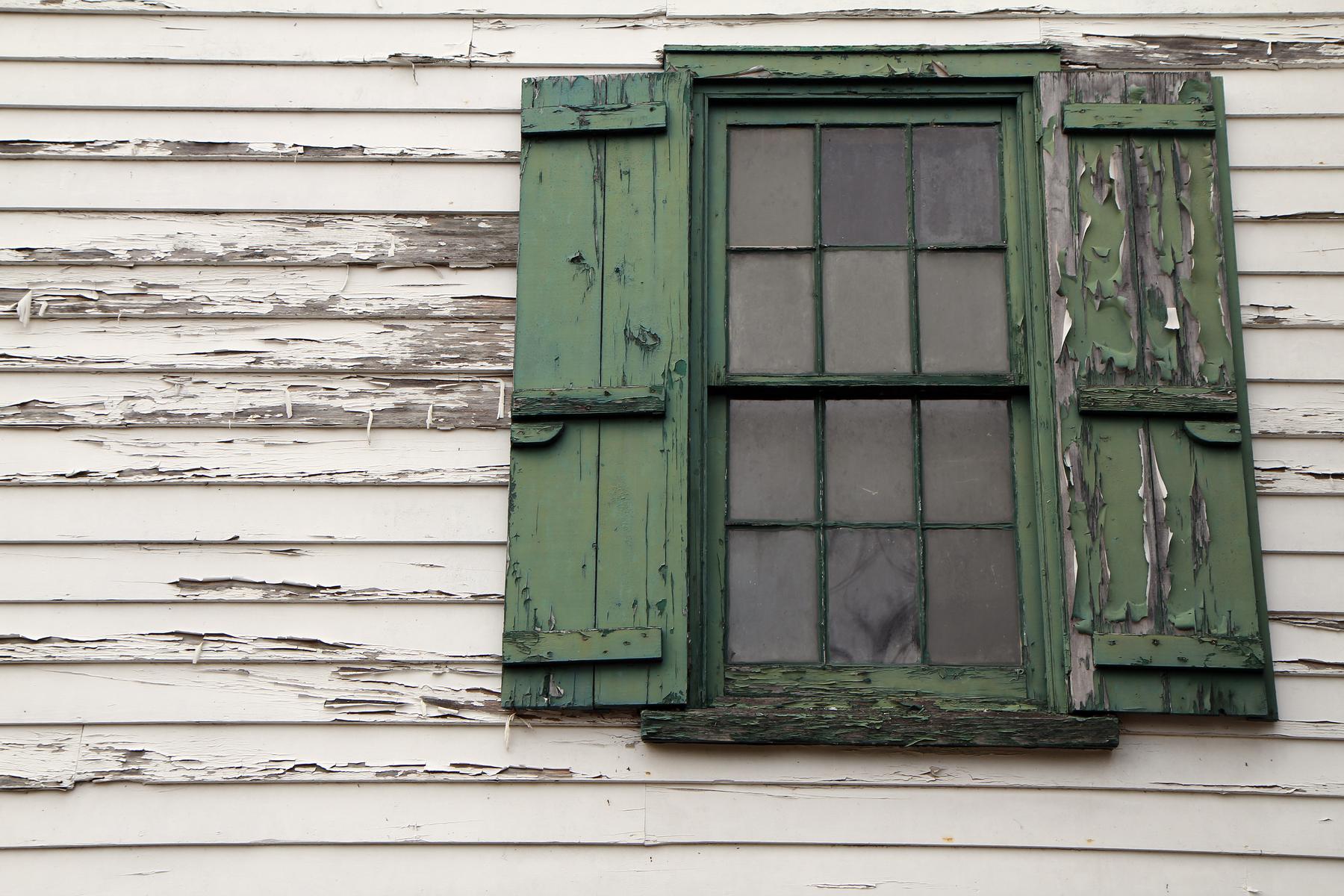
Needs Paint by Allen McGregor · CC BY 2.0 · Cropped.
From the podcast
Can you put latex over shiny oil-based trim?
Find out what’s on there first.
This guide covers interior trim, doors and cabinets. The episode says exterior oil paint calls for different prep.
Start with a rub test on a small spot. Benjamin Moore and Glidden both use denatured alcohol on a cotton ball: if paint comes off, it’s water-based; if nothing comes off, it’s oil-based. Denatured alcohol is not the same as rubbing alcohol.
The episode uses a rag dampened with ammonia instead. If the paint softens or color comes off on the rag, it’s latex; if nothing happens, it’s almost always oil. It warns that alcohol can miss newer latex paints and make them look oil-based. Never mix ammonia with bleach.
The episode’s version of the test:
“All you need is ammonia and a rag.”
Home In Progress, episode 333 · 06:11
If your home was built before 1978, the old paint may contain lead, and sanding it can make lead dust. Before you sand, read EPA’s guide for do-it-yourselfers: it recommends testing by a certified lead inspector or risk assessor, and lead-safe work practices or a lead-safe certified contractor.
Gloss is the problem, not oil.
Latex can go over oil-based paint. The episode’s short answer is yes, as long as the surface is prepared properly.
The episode says the trouble isn’t oil and water but how smooth, hard and shiny oil-based paint is. Sherwin-Williams says the same of any glossy surface: a coating on a hard, slick, glossy surface is likely to peel, because there’s no profile, the tiny peaks and valleys sanding leaves, for it to grip.
“The shininess of oil-based paint is part of the reason that we have adhesion trouble.”
Home In Progress, episode 333 · 08:59
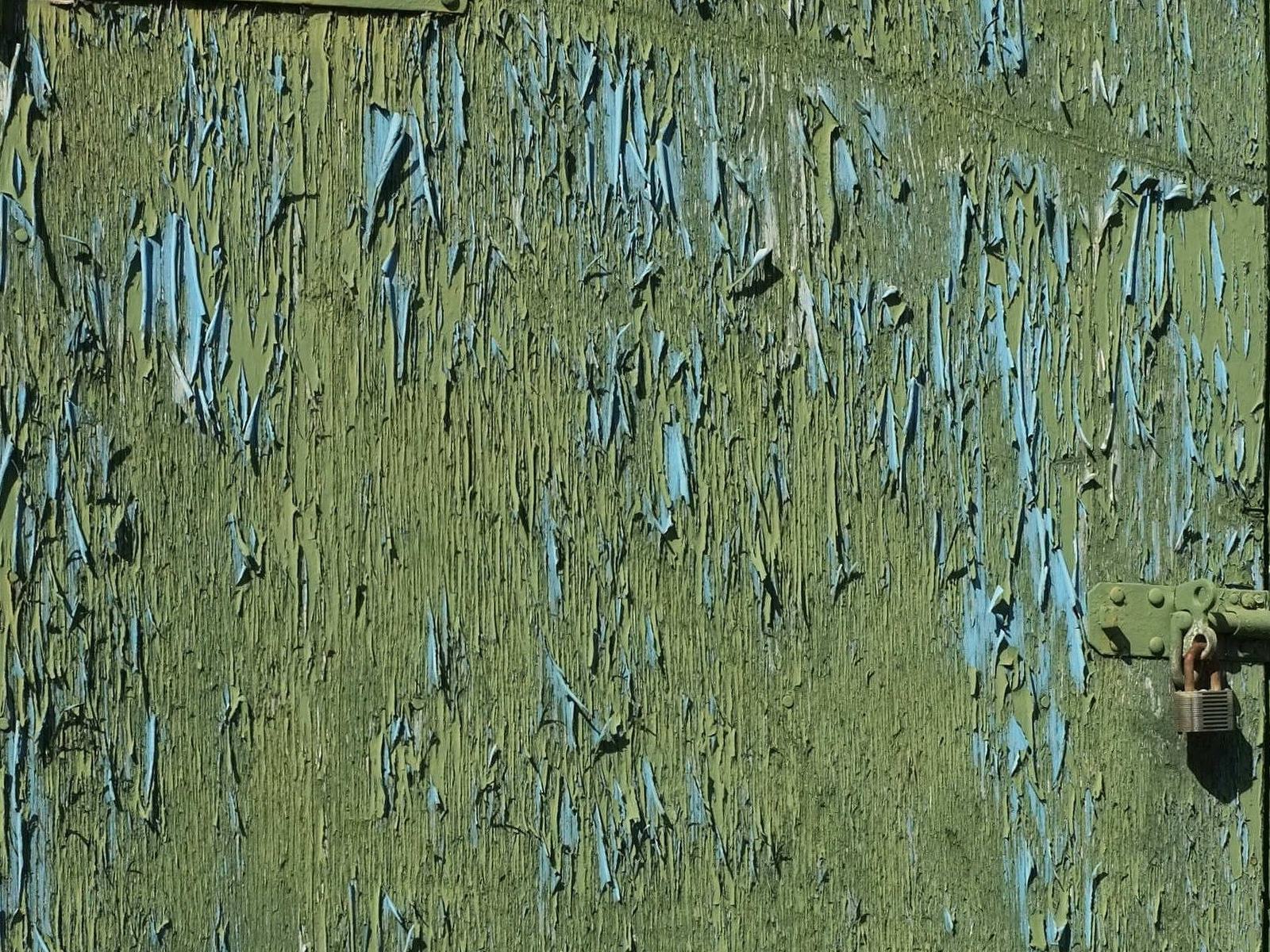
- 1Top coat curling off. A newer coat lifting away from the coat under it.
- 2The older coat underneath. Smooth and still in place where the top coat let go.
- 3Still holding, for now. Paint that can’t grip the coat beneath it peels this way over time.
Clean it, sand it, then prime.
Wash first, with a degreaser that takes off grease, wax and polish residue. Dunn-Edwards says sanding alone doesn’t remove contaminants, and the episode warns that sanding first can grind them in.
Scrape off anything loose or peeling, then sand until the shine is gone. Wipe off the dust. The episode uses a damp rag rather than a tack cloth, which it says can leave a residue.
Prime with a bonding primer; Glidden says the label should say “bonding”. Bonding primers still need the prep: Insl-X’s Stix sheet asks for glossy painted surfaces to be properly deglossed, and XIM’s Peel Bond sheet says it won’t reattach loose or peeling paint. Wait the recoat time on the primer’s label, then topcoat with latex.
“If you would skip the cleaning step and go right to sanding, it’s possible that you’d be grinding those things into the surface, making it worse.”
Home In Progress, episode 333 · 12:42
Bring this to the paint counter.
Find your next project in the shop.
Surplus changes. The right questions still help you shop.
Inspired by Home In Progress, episode 333, November 19, 2023. The latex-over-oil discussion runs from 03:45 to 19:00. Check current instructions for the primer and paint you select.
Also drawn on: Benjamin Moore on telling oil from water-based paint · Glidden on painting over oil-based paint · Sherwin-Williams on peeling over hard, slick surfaces · Sherwin-Williams interior surface preparation FAQ · Dunn-Edwards bulletin on oil and latex, pages 2 and 3 · Insl-X Stix data sheet · XIM Peel Bond data sheet · CDC on bleach safety · EPA lead-safe renovations for DIYers.